
Project Description
What Homebuyers should watch out for- Marketing Gimmicks
Malaysia have adapt and evolving towards the consumption of technology today. It is to be said that Malaysian consumers are very digital savvy and love to spend an average of 14 hours a day on their digital devices which 87% of the population are using internet daily. It shows that Malaysians will seek information online, buy online and others online usage.
Advertisement today have change drastically. Debate on traditional media versus new media or digital media is a hot topic for every marketers today. If you flip through a newspaper/magazine or scroll through your Facebook feed today, you will most probably be bombarded with glossy advertisements of attractive residential projects and such.
All advertisers aim to entice their readers or consumers, but some go the extra mile in creating picture-perfect, too-good-to-be-true products. This is what we call a marketing gimmick. Creating something so potential customers can be attracted by the picture, message and more. Unfortunately, property developers are not exempted.

Here are the 3 ploys aspiring homebuyers should watch out for:
Many homebuyers have bought a property just because they were attracted to the artists’ impression of the project as well as the lifestyle represented by the sales brochure. These naive purchasers only realise a little too late that the image painted was too good to be true and the project doesn’t live up to their expectations.
- Artist’s impression ONLY
Common advertising pitfalls include:
Example 1: For some, you find that your neighbourhood might not be beautiful as promised before. Why? Because you might be attracted by the brochure given to you with a stunning swimming pool design to overlook at the sunset view and for some maybe it is because of the unique name given for the swimming pool area, like “Infinity swimming pool” and what not.
Example 2: Do you live in a guarded township area? In this scenario, your actual clubhouse is nowhere as glamorous as the one represented in the glossy brochure you had before and the actual gymnasium is devoid of the promised high-tech equipment and facilities.
Example 3: In the case of the property’s traffic conditions, you may want to scout the traffic circumstance. You might be entice by the marketing gimmick saying it’s low congestion or


Example 4: The common advertising strategy is when the promotion said the apartment faces a particular landmark view (eg. KLCC ) as advertised in the sales brochure. In some cases, you will find that it is being obscured by a neighbouring tower/apartment block or the view is too distant and obscure.
Example 5: Have you ever notice any property advertisement saying a remark like “15 minutes to Petronas Twin Towers” and such other similar sentiment. Depending on the case, but for some homebuyers, they will not get to enjoy this luxury as commuting estimates are always given under perfect traffic conditions. It is only possible if you travel in the wee hours of the morning, while everyone else is asleep.
The question is: Can you take the developer to task? Is the developer liable for these “misrepresentations”? Can a developer be sued for these inaccuracies and provide compensation to their purchasers? Chances are nothing can be done unless these representations are incorporated as part of the sales contract’s terms and conditions.
Besides, more often than not these representations are precluded by an all-too-familiar fine print. These disclaimers such as “All illustrations are artist’s impressions only” or “The brochures do not form part of the contract” usually sit in one obscure corner of the brochure. And are almost invisible except to those who own a magnifying glass.
- Developers must provide full disclosure of approved plans
‘Satu salinan pelan yang diluluskan oleh Pihak Berkuasa Tempatan (PBT) hendaklah disertakan bersama Perjanjian JualBeli seperti Peraturan 11, Peraturan-Peraturan Pemajuan Perumahan (Kawalan dan Pelesenan) (Pindaan), 2015 dalam bentuk hardcopy saiz AO atau A1; atau dalam bentuk soft copy (format pdf) menggunakan cakera padat (compact disc) atau media elektronik lain yang bersesuaian.”
In today’s property industry insights, it is mandatorily required for house developers to provide the purchaser a comprehensive set of document of an approved property layout plan because a circular had been issued on 15 August 2014 by the Housing Ministry. In fact, this has all along been a legal requirement. As far as landed properties are concerned, the approved layout plan and the approved building plan are to be included in the SPA as the 1st schedule and 2nd schedule, respectively.
With respect to strata titles, developers must attach the approved plans ( 1st & 2nd schedules):
- site plan
- layout plan
- floor plan of the parcel
- storey plan of the building
- accessory plan and common facilities plan
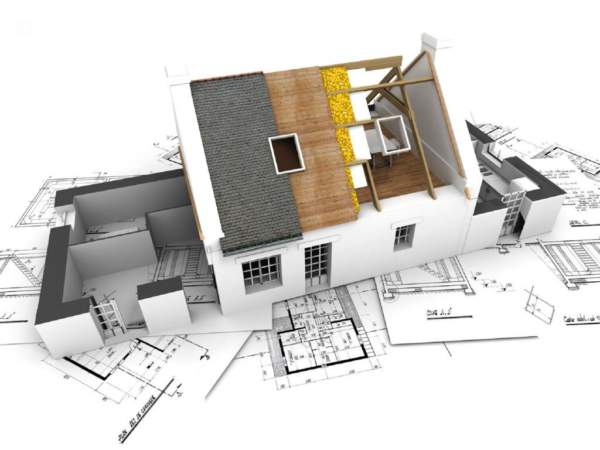
Probable issues with approved plans
Recalcitrant developers have taken advantage of purchasers’ lack of knowledge; enabling these developers to have free reign in making unauthorised alterations in order to cut costs, such as:
- Manipulating unit measurements
- Design amendments
- Using sub-standard or alternative materials
- Changes in wiring and plumbing
These developers dare to flout the rules as they are banking on their purchasers not discovering these limitations/defects in time, at least not throughout the defects liability period.
3. Take note of (advertised) features not stated in the SPA
Many purchasers buy into the atmosphere of a housing estate or the portrayed overall living concept. Often enough, purchasers are persuaded by a project’s external features such as the playground and generous open spaces. Young couples are especially vulnerable to such “perks”, but they are blindsided about the existence of an “active” graveyard nearby or an oxidation pond right next to the recreational area.
If the developer promotes such features as the playground at the time of sale, then you (as the house buyer) should take down the answers, the name of the developer’s staff and designation and have your solicitor confirm this in writing.
It may constitute what is known in law as “a collateral oral warranty to the transaction” and may be read into the SPA to make it binding on the developer. These matters are not provided for in the SPA because the SPA is a standard form to be used in a whole range of property transactions where the details vary.
However, it does not mean these details cannot be added in as the law allows it (Tun Suffian in Lee Poh Choo v SEA Housing Corp).
Nevertheless, it is rare for a developer to provide such liberties, hence why a purchaser must appoint his own lawyer and not rely on the legal firm selected by the developer.
Even with the new requirement, the purchaser may still have to rely on the collateral warranty argument with respect to things not mentioned in the SPA. This includes whatever advertised perks or features where developers try to give the impression that they are meant to be part of the housing estate, but in actuality are not included in the developer’s approved layout plans!
Homebuyers also have to pay caution to the area density, which is the number of houses allowed to be built within the housing estate. Sometimes, greedy developers will quietly increase the number of houses from the originally approved amount when they see their project is selling well. A few dozen “additional’ units make all the difference between spaciousness and over-crowding.
A purchaser who was promised a certain quality of life has a cause of action against the developer who had reneged on his original development plans. The developer then cannot brush off the purchaser’s claim as “This was not paid for in the SPA”.
The quality of a housing estate may also be affected by the types and number of houses and other buildings such as shophouses. Their distribution must also be studied beforehand as it may affect the resident’s convenience.